Using machine learning in cosmology, astronomy and physics
Tom Charnock
Institut d'Astrophysique de Paris
Slides available at presentations.charnock.fr/ML_cosmo_astro_physics



Who am I?
| Statistician | Machine learning guru | Cosmologist |
|---|
What do I work on?
Developing statistical machine learning methods to make safe and understandable models
Advising and consulting on how to best extract information
Telling people when people are misinterpretting their results
Neural networks using in a Bayesian setting
(Charnock, Lavaux, Wandelt, Sarma Boruah, Jasche and Hudson 2020)
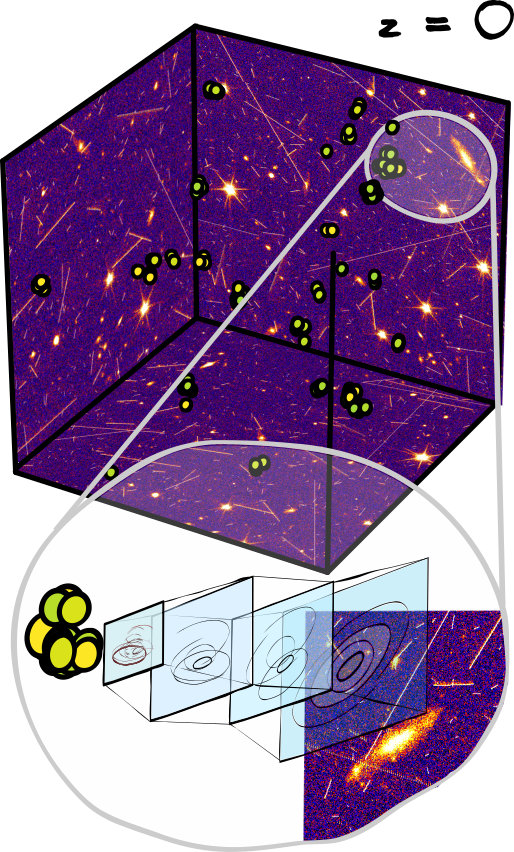
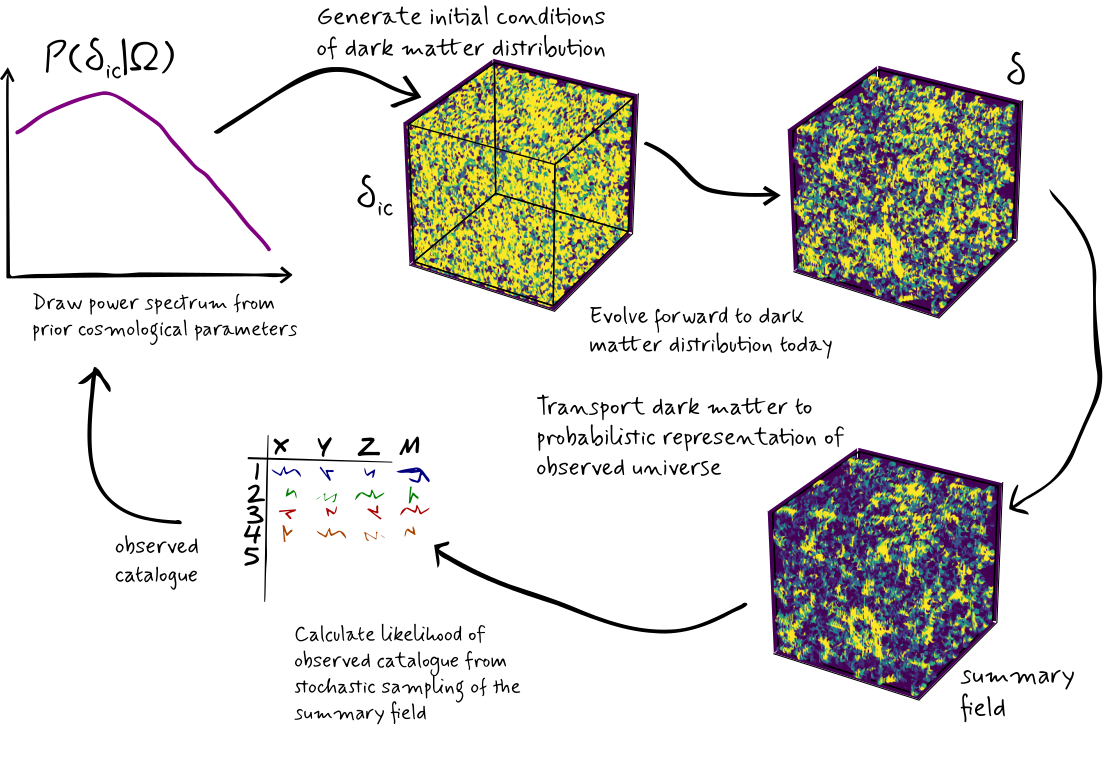
Inferring cosmological parameters and initial conditions of simulations from noisy (horrible) data
- Forward model all understood physics
- Make abstract function (NN) made from physically motivated architecture choice
- Use high dimensional Markov methods to sample physical properties AND neural network parameters
Not deep learning anymore - we're just benefitting from the differentiable frameworks and doing old-school* physics 😉
Why is machine learning essential in cosmology, astrophysics and physics?
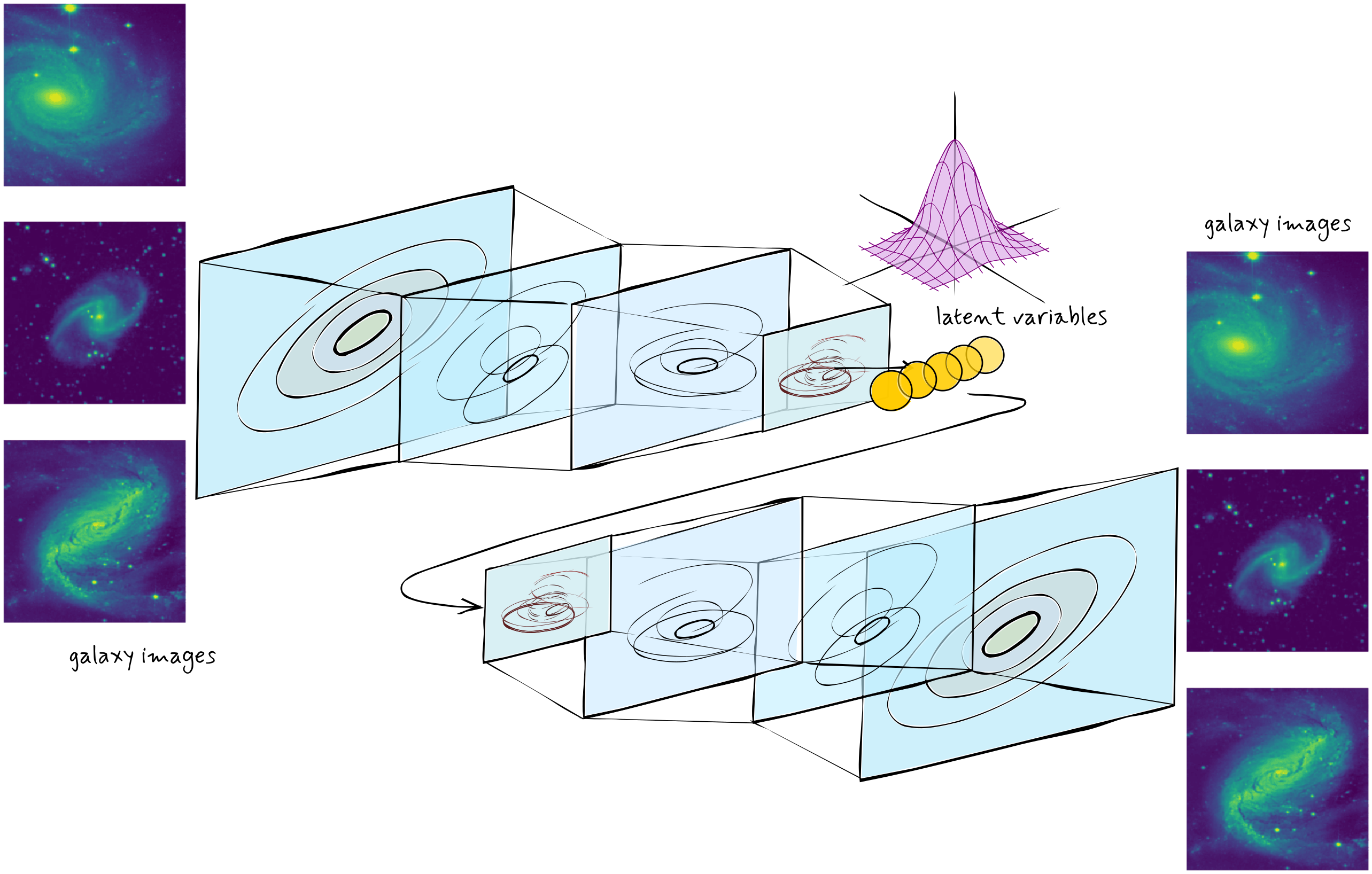
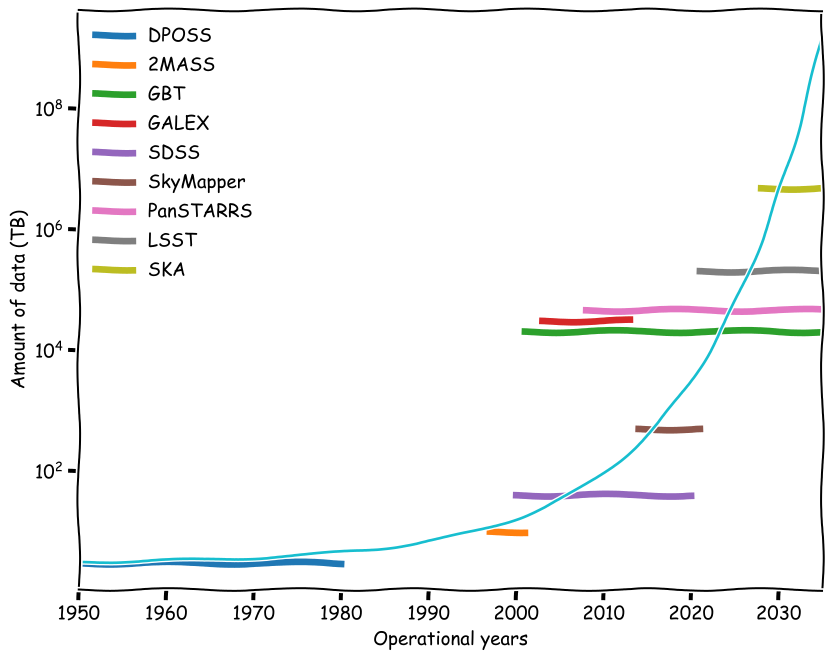
Handling large data volumes
| Sky Survey Projects | Data Volume | Year |
|---|---|---|
| DPOSS (The Palomar Digital Sky Survey) | 3 TB | 1950s - 1980s |
| 2MASS (The Two Micron All-Sky Survey) | 10 TB | 1997 - 2001 |
| GBT (Green Bank Telescope) | 20 PB | 2001 - |
| GALEX (The Galaxy Evolution Explorer) | 30 PB | 2003 - 2013 |
| SDSS (The Sloan Digital Sky Survey) | 40 TB | 2000 - 2020 |
| SkyMapper Southern Sky Survey | 500 TB | 2014 - 2021 |
| PanSTARRS (The Panoramic Survey Telescope and Rapid Response System) | ~ 40 PB expected | 2008 - |
|
Vera C. Rubin Observatory LSST (The Legacy Survey of Space and Time) | ~ 200 PB expected | 2021 - |
| SKA (The Square Kilometer Array) | ~ 4.6 EB expected | 2027 - |
Fit functions when we do not actually know the physics describing what is happening (physics vs data)
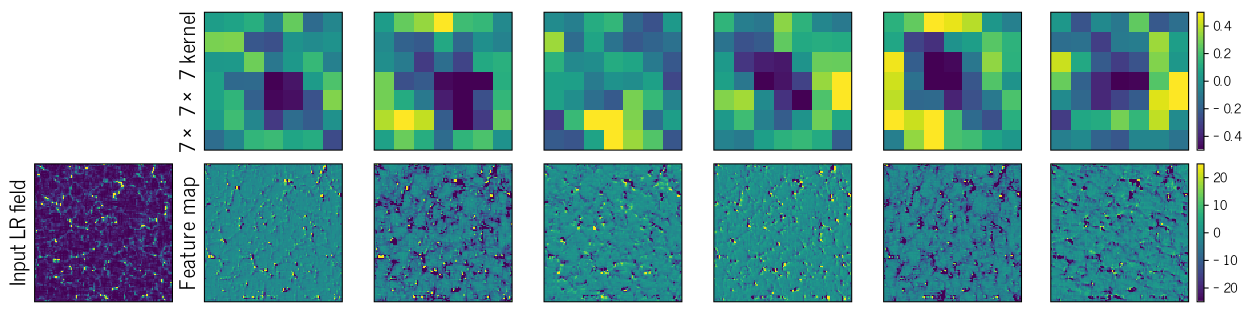
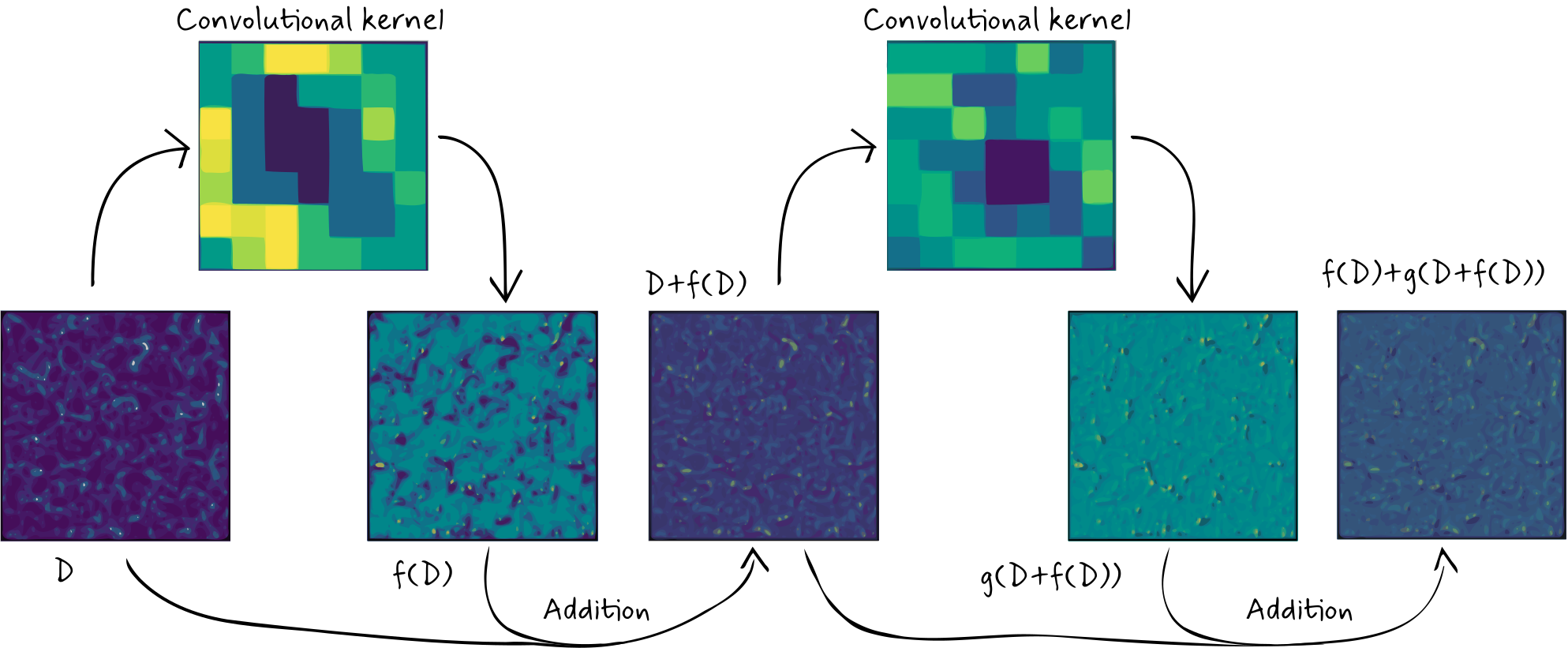
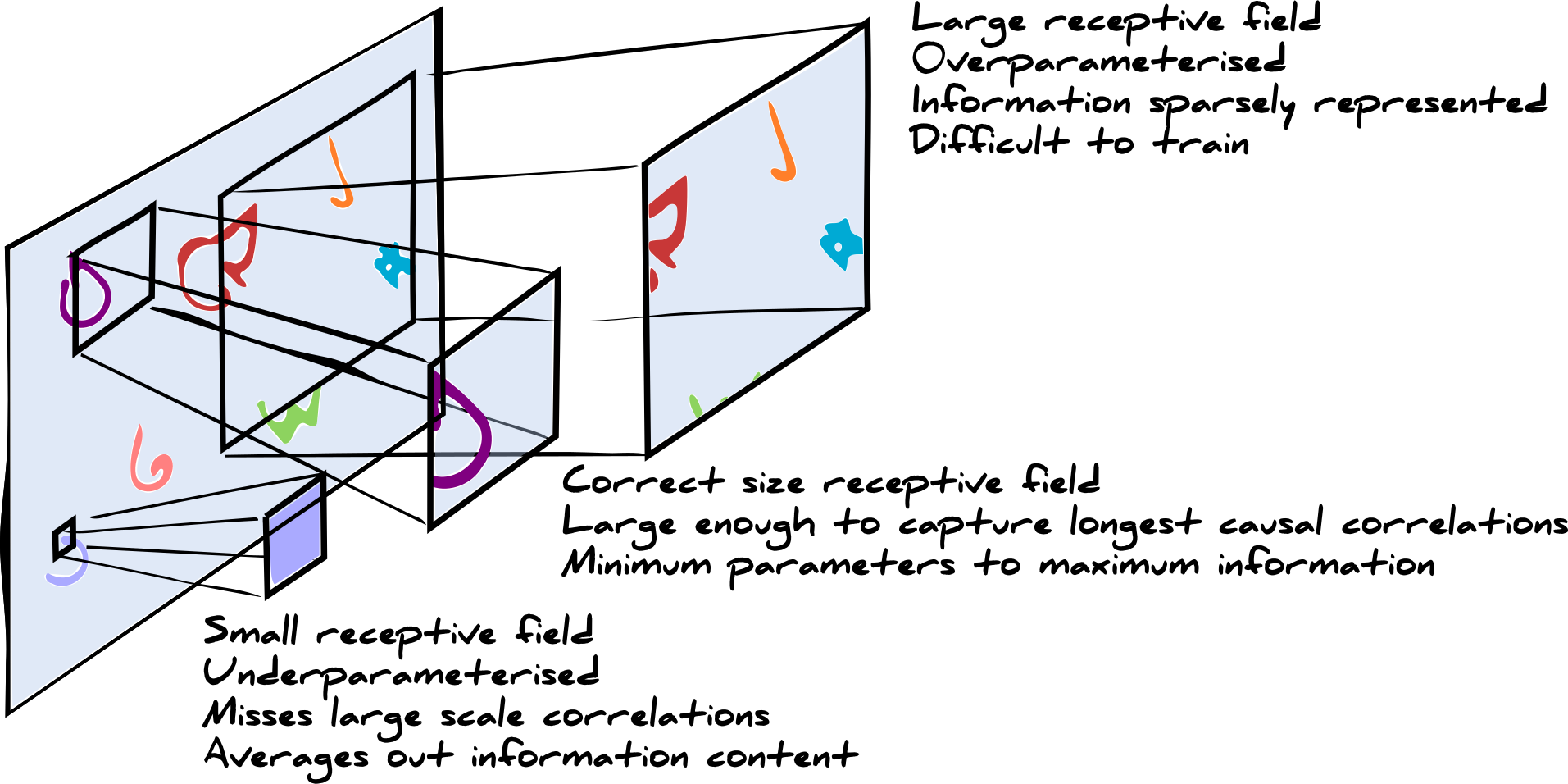
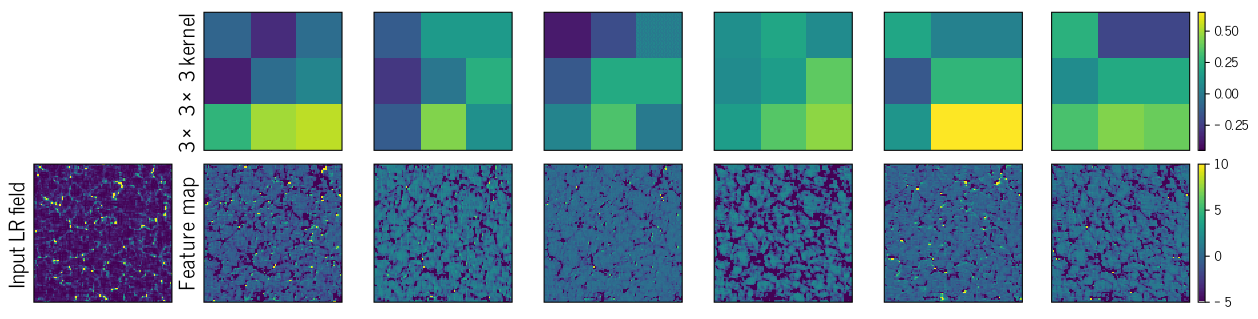
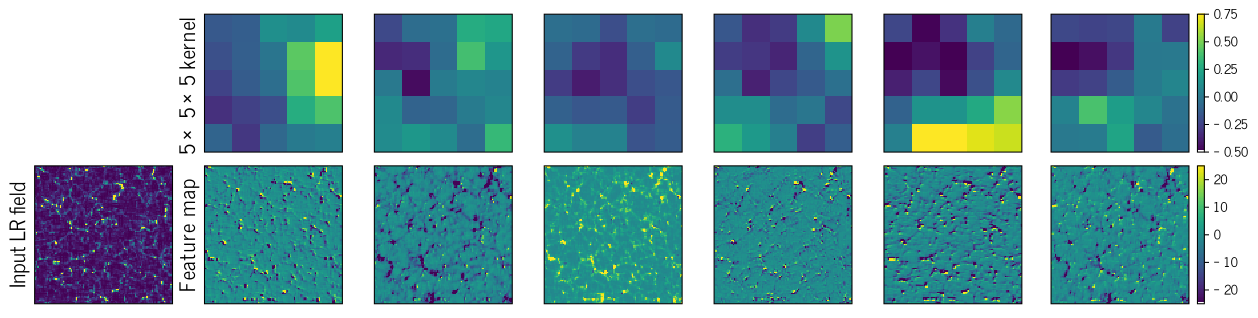
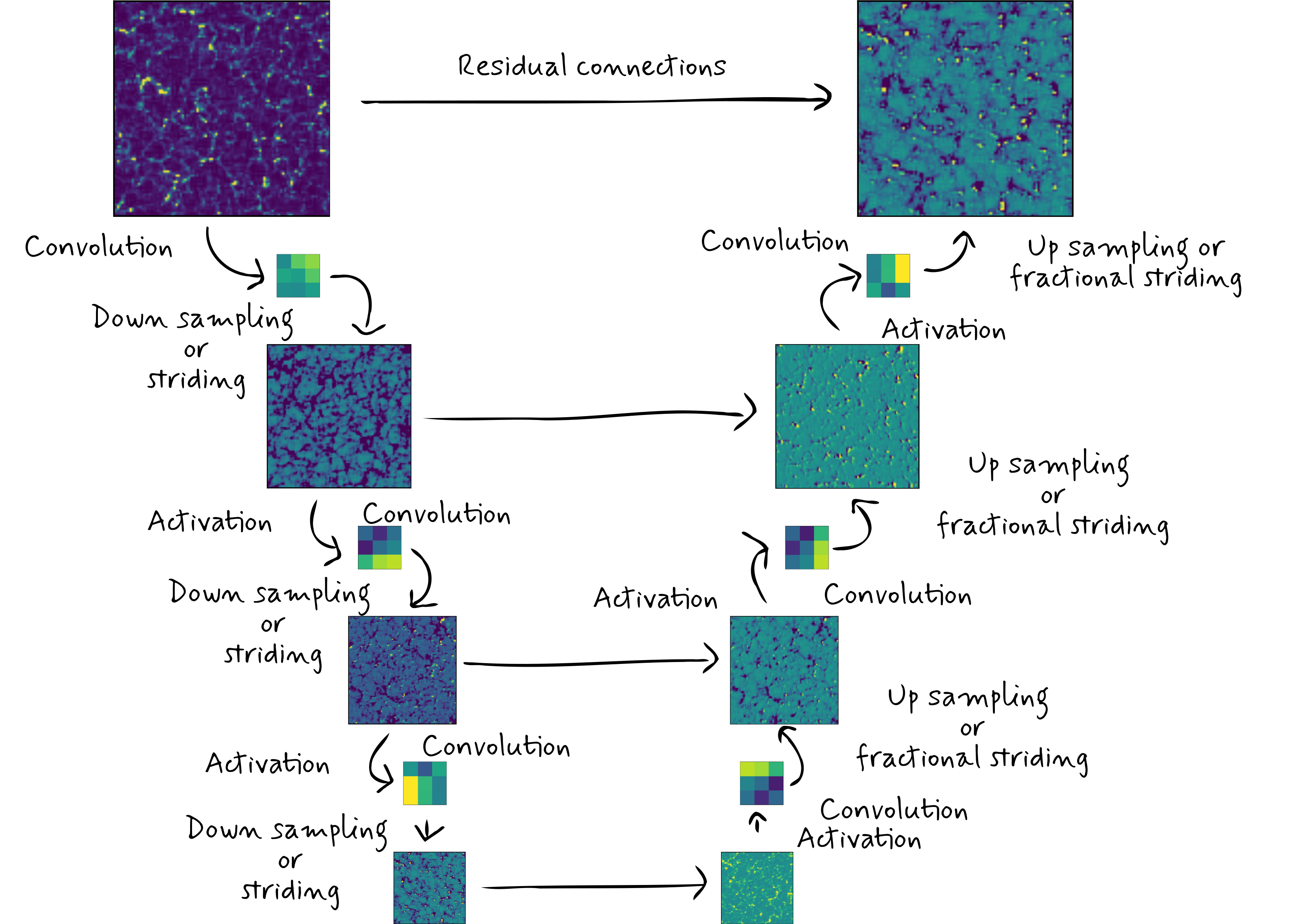
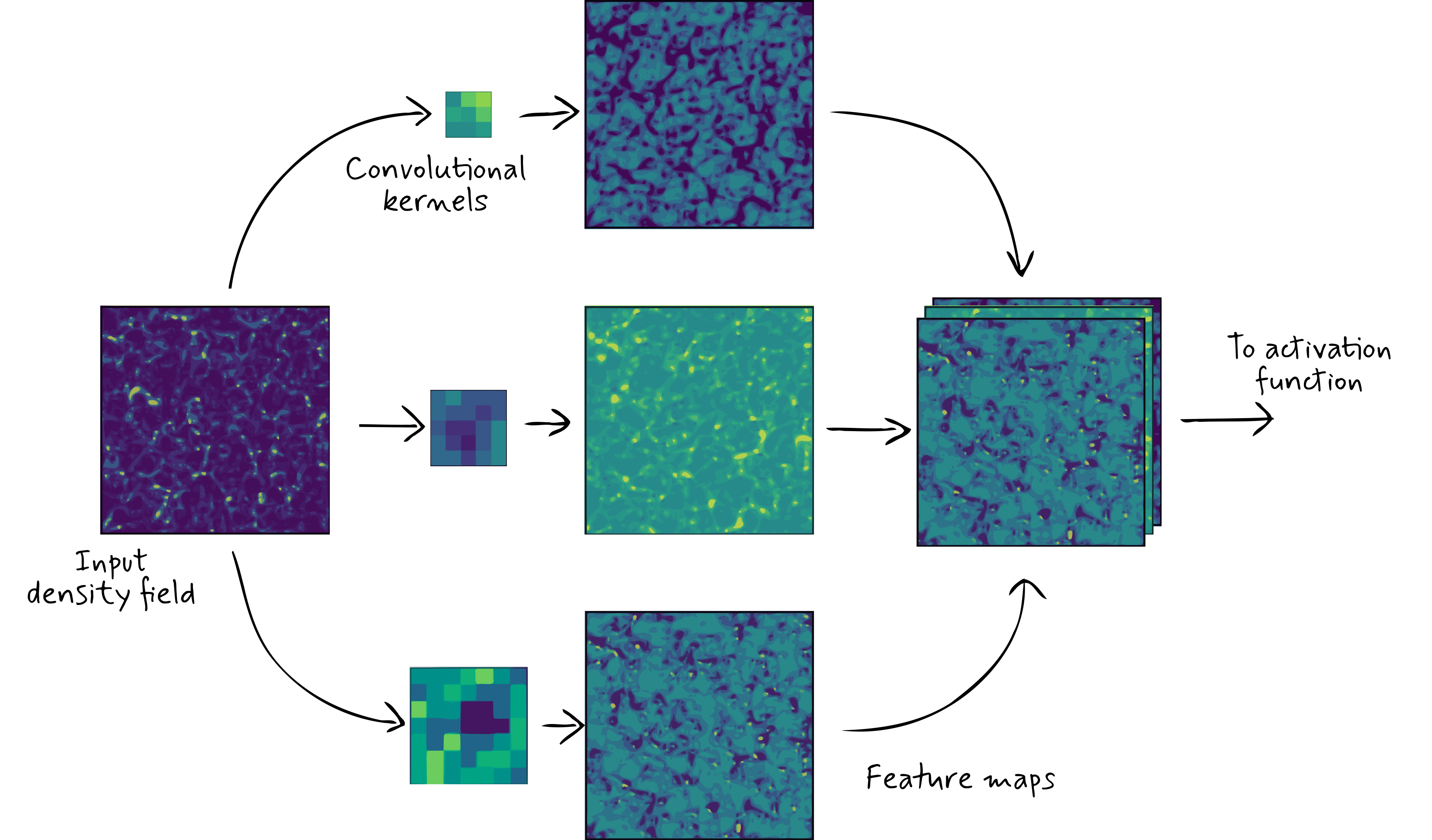
Neural networks - parameterisable functions $\mathscr{f}_{w,a}:x\in\mathcal{X}\mapsto y\in\mathcal{Y}$
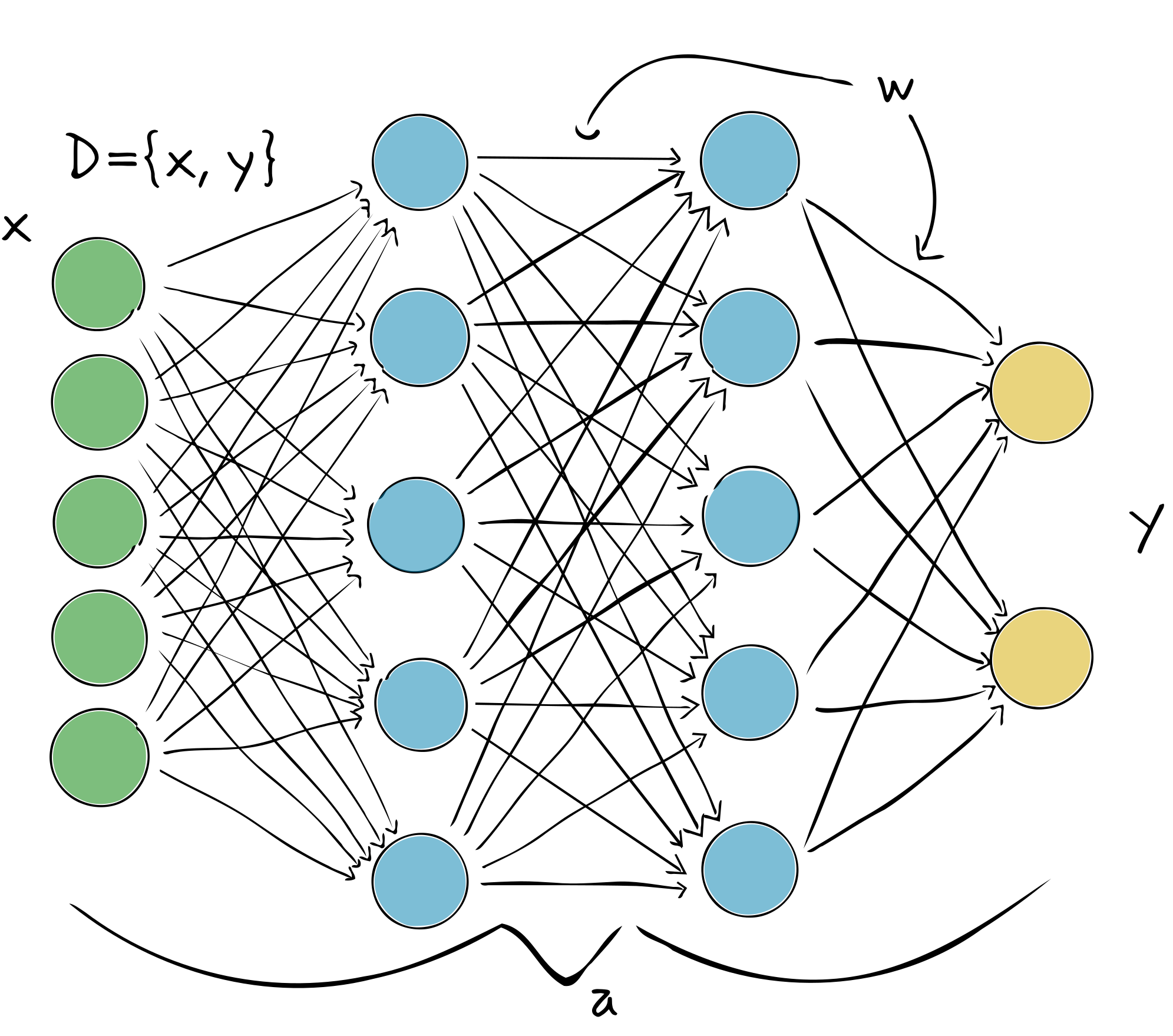
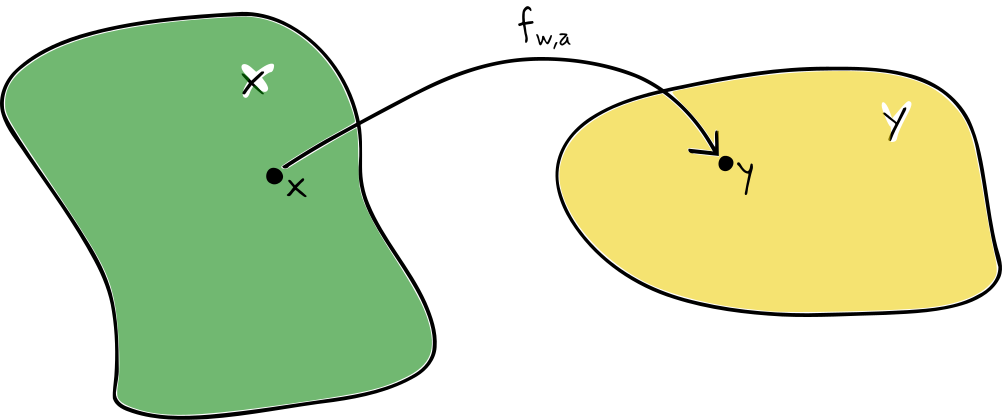
Stacks of non-linear activated weighted sums - \\(\displaystyle n_j^l = \phi\left(\sum_iw_{ji}n^{l-1}_i+b_j\right)\\)
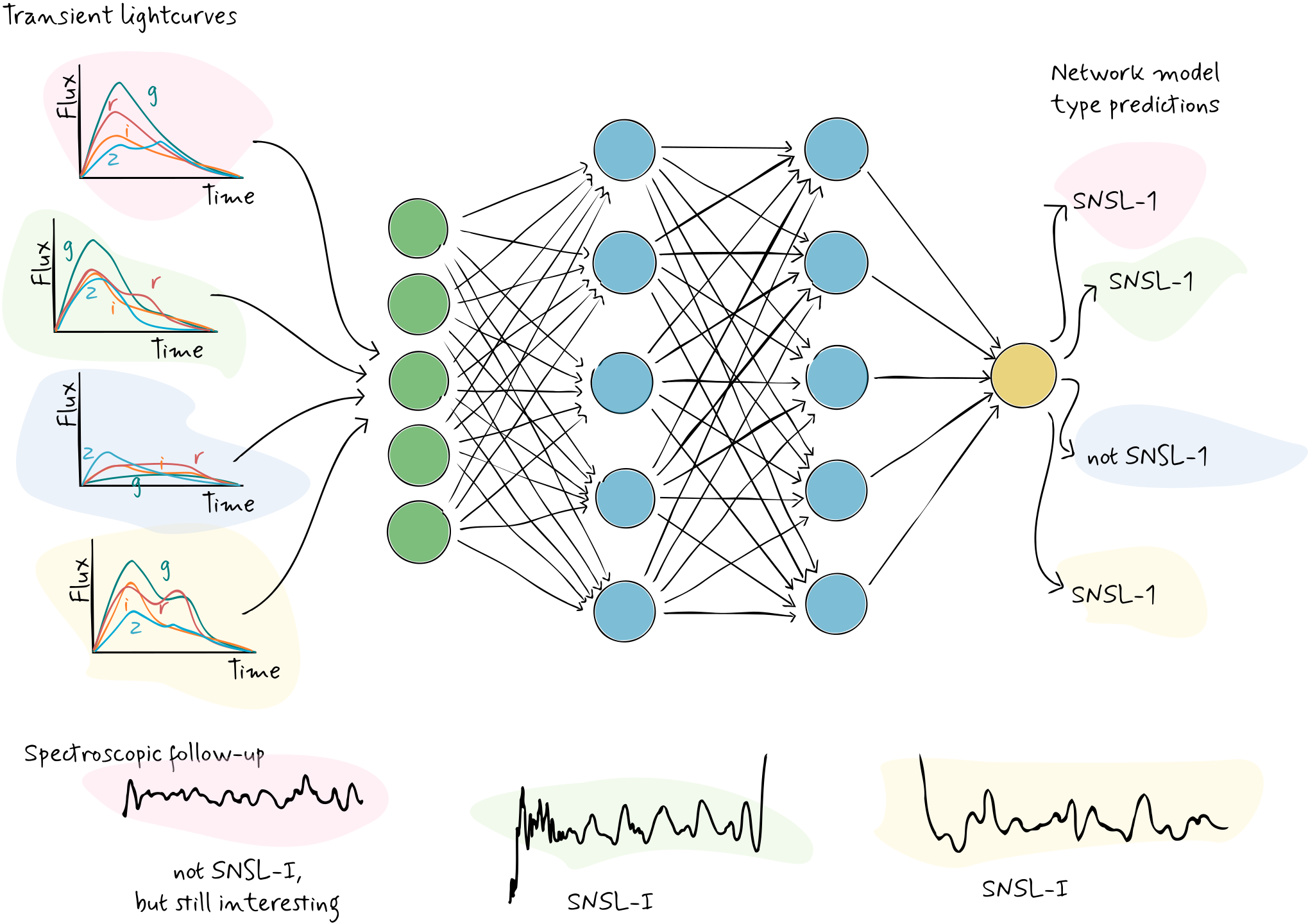
Classifying astrophysical events
Where are people going wrong?
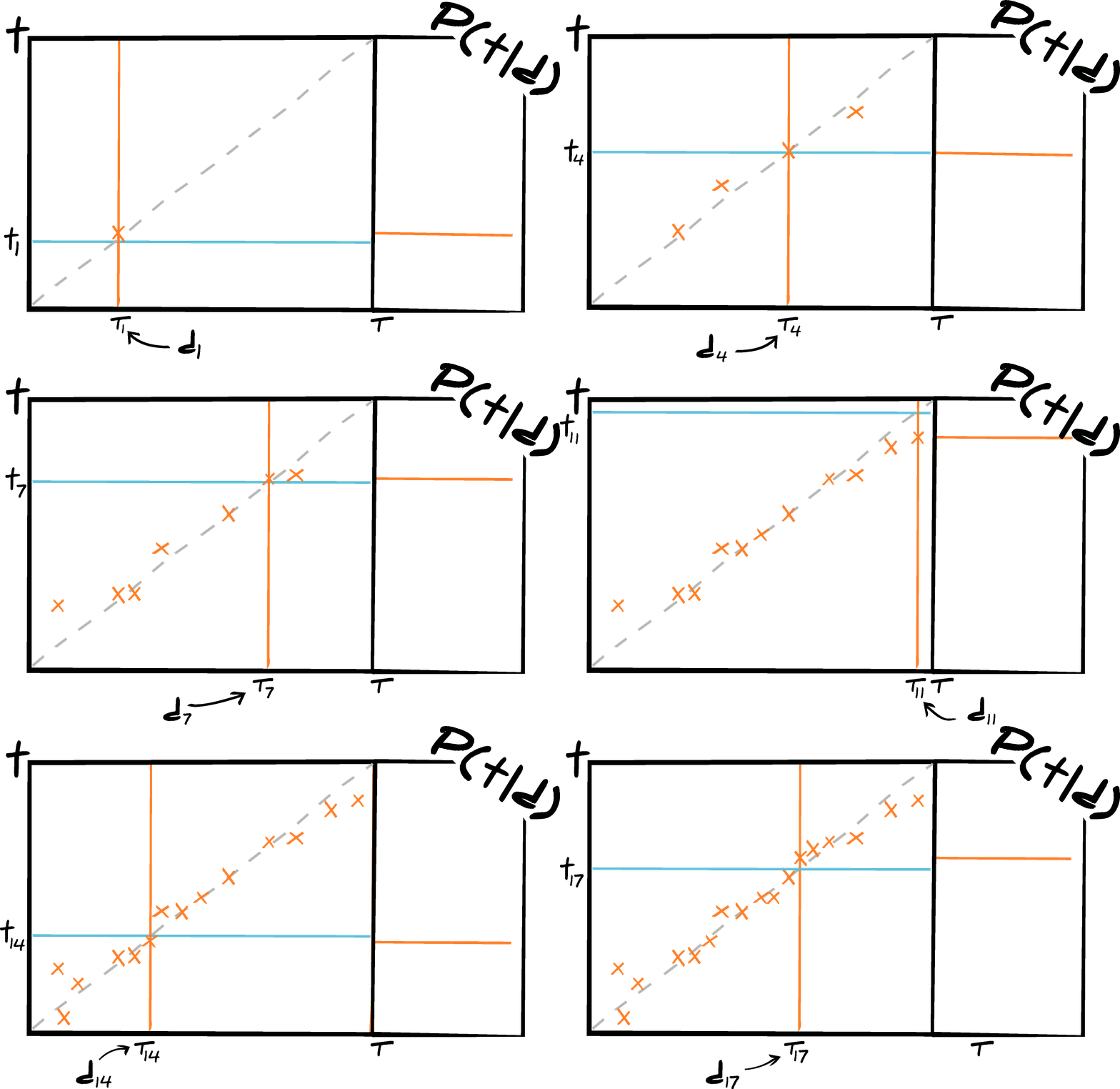
Neural networks and deep learning are presented as magical black boxes (they aren't)
It is easy to take pretrained ones (and they normally "work" suprisingly well without any modifications)
A lot of people want quantitative results over qualitative results
How should we think about neural networks?
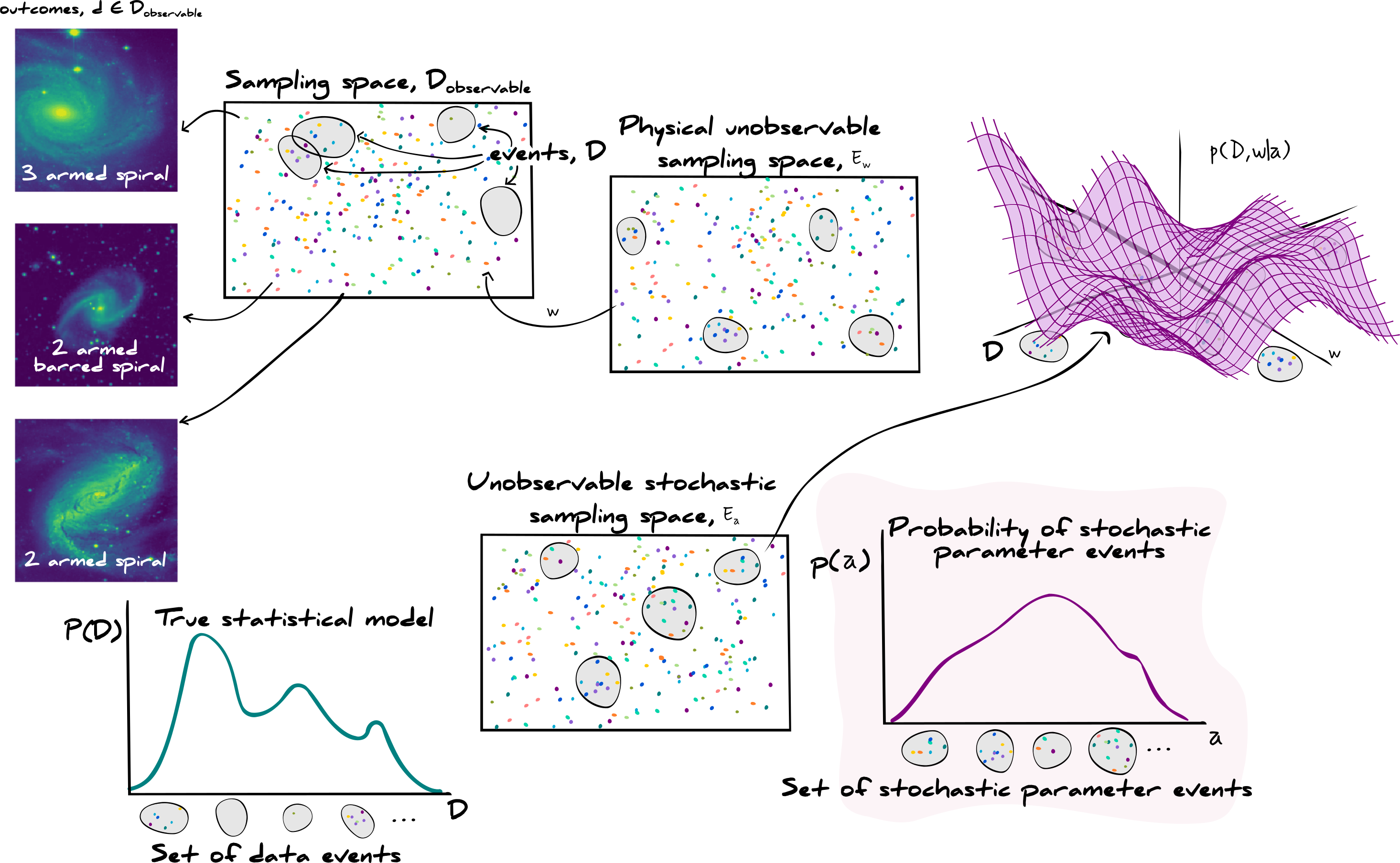
How should we think about neural networks?
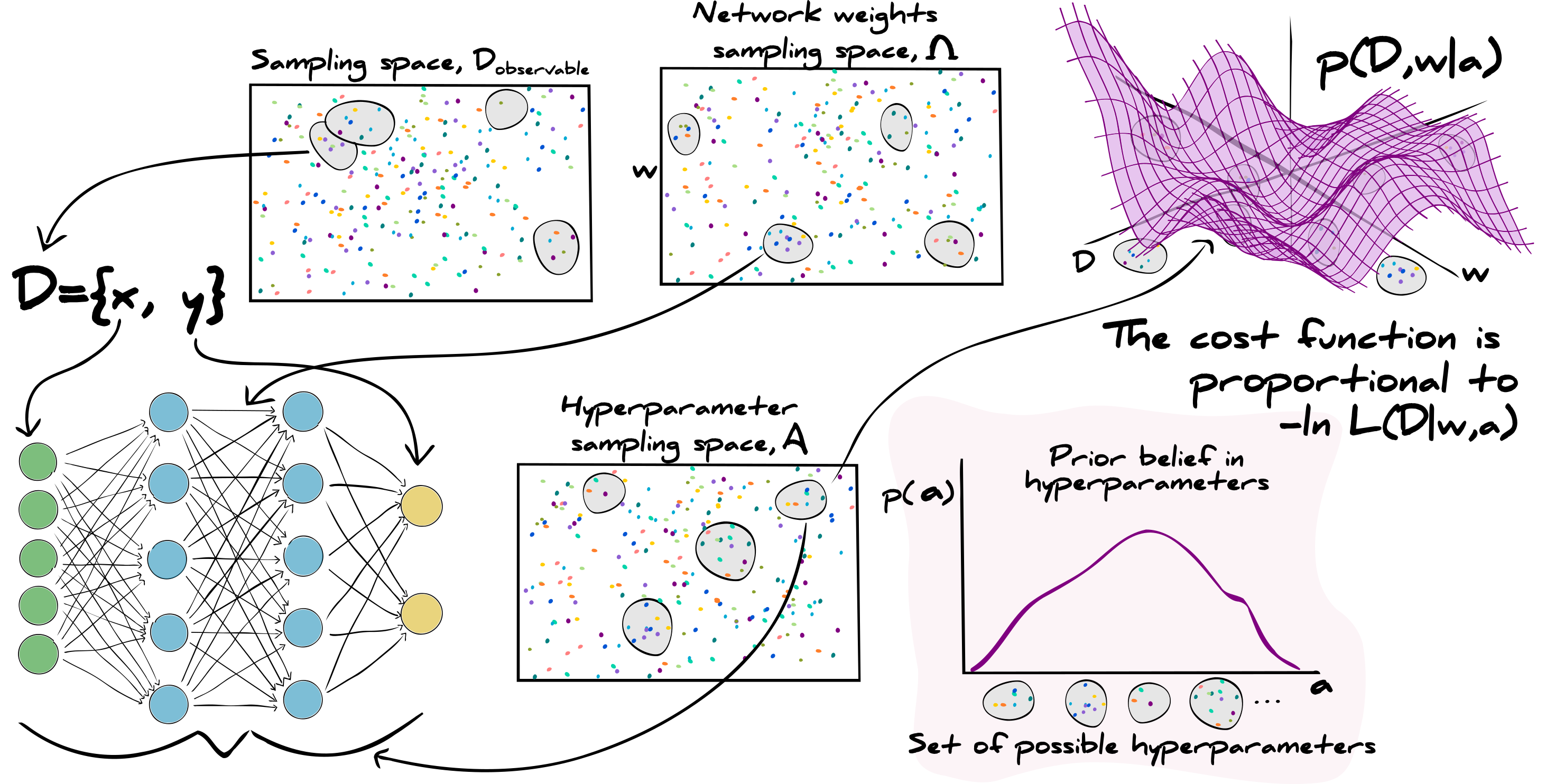
We're making models for how likely we are to see data
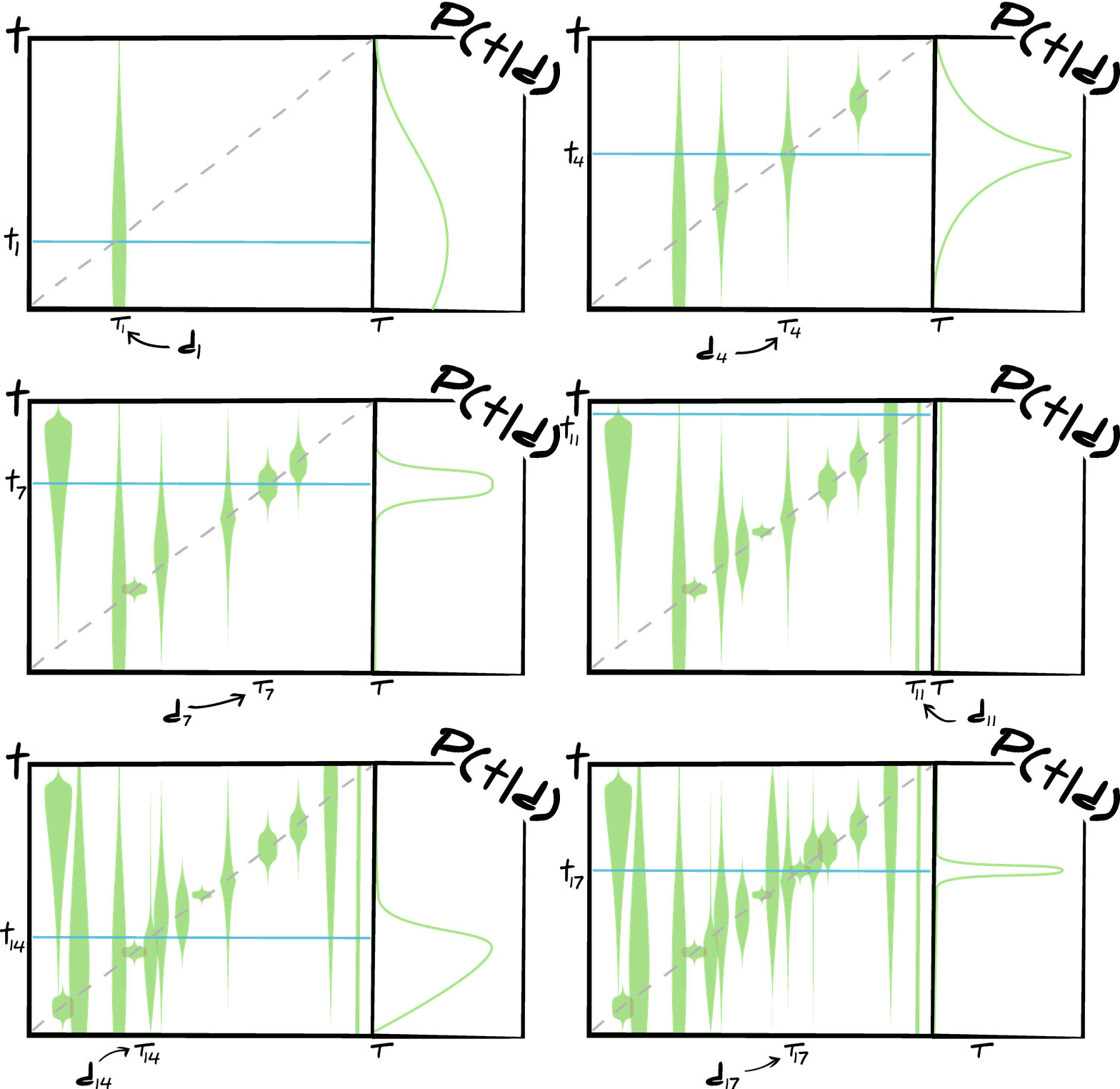
We do not know if the model is a good choice
It certainly won't be as good or as interpretable as a physical model
It's still fast and informative
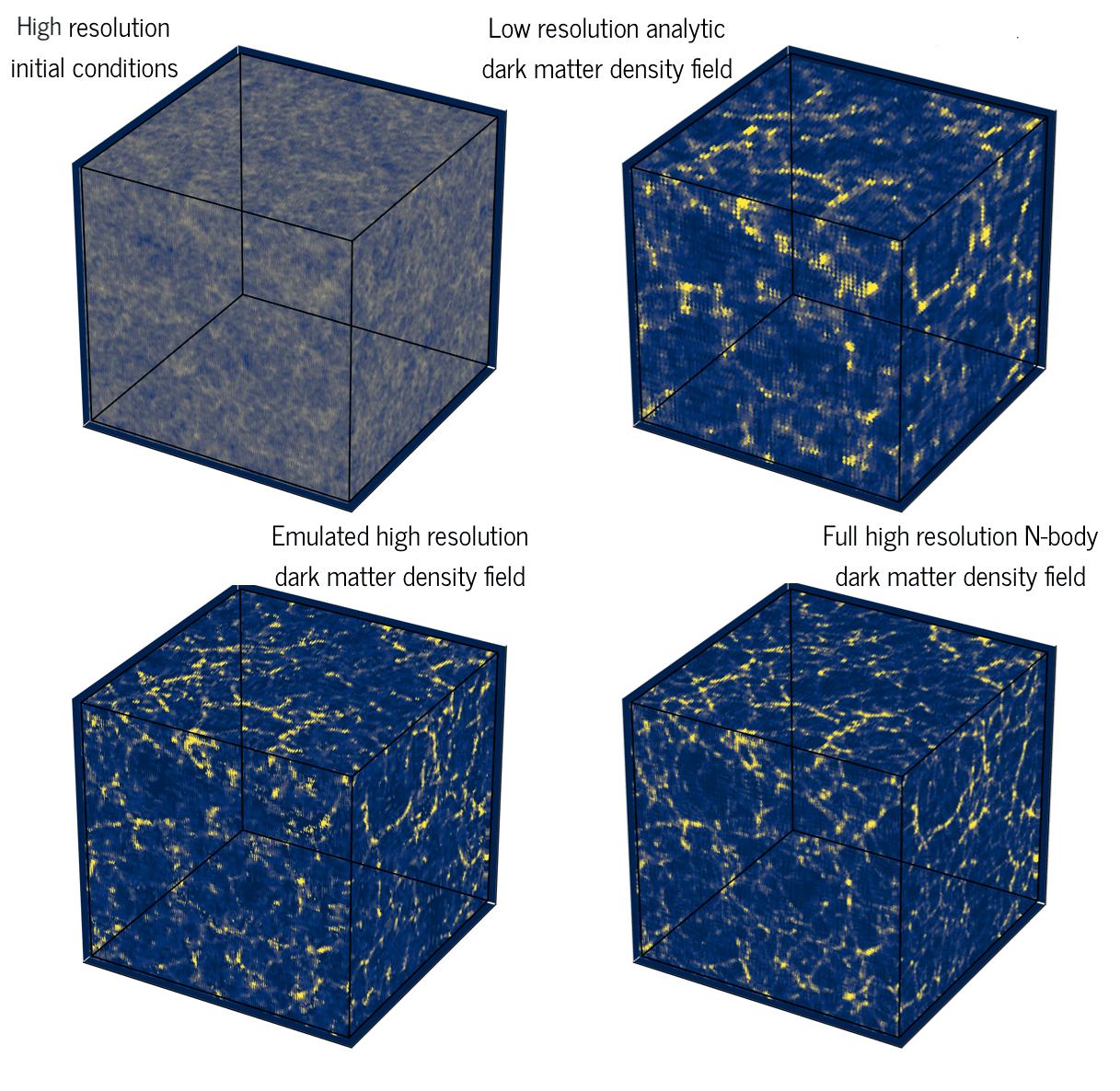
Machine learning to accelerate science
There are many times that we can use machine learning to accelerate the way that we obtain data which we can use for science, rather than using the network itself for science.